Why Thermogenesis Is Getting So Much Attention for Metabolism & Fat-Burning
Sarah, a 48-year-old marketing director, started noticing changes she couldn't quite explain. Despite eating well and staying active, the scale wouldn't budge. Her energy felt depleted by mid-afternoon. And those cravings? They seemed impossible to control.
Her annual checkup showed normal results, but something felt different. If this sounds familiar, you're not alone. Many people experience similar changes as they age, and research is beginning to shed light on why.
The answer may lie in something called thermogenesis, your body's natural ability to burn calories for energy. And understanding what happens when this process slows down could be key to maintaining healthy weight and vitality.

The Overlooked Process That Controls Your Body's Fat-Burning
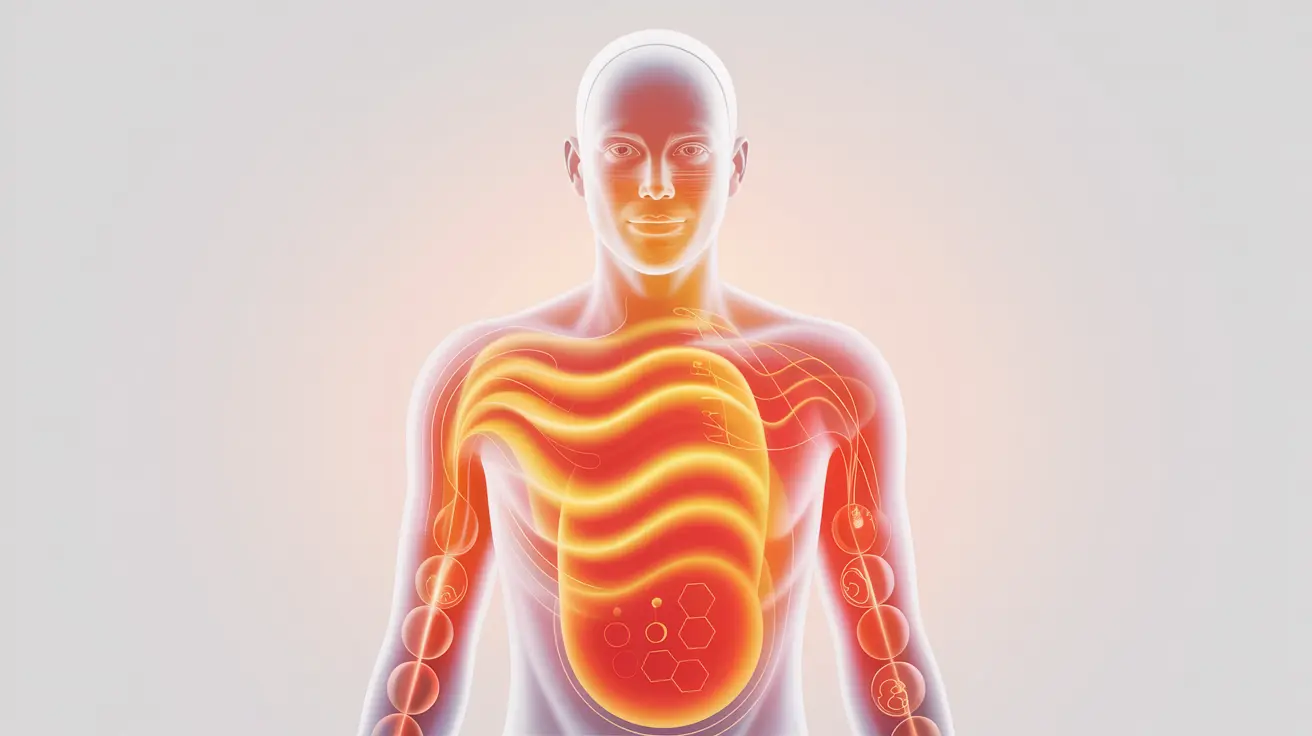
Research from Harvard, Mayo Clinic, and the University of Barcelona has shown that thermogenesis, your body's natural heat production, plays a crucial role in how efficiently you burn calories, even at rest.
Thermogenesis is naturally produced by your body, and research suggests it plays several important roles:
- Calorie burning – Studies indicate thermogenesis can account for up to 25% of daily calorie expenditure
- Fat metabolism – Research suggests it helps break down stored fat for energy
- Energy function – Evidence points to its role in sustained daily energy
- Appetite regulation – Studies show it may influence hunger signals and satiety
- Metabolic wellness – Research links it to maintaining healthy metabolism as we age
However, studies show that thermogenic activity naturally decreases with age. Research indicates that by our 40s and 50s, our fat-burning capacity may be significantly lower than in our 20s.
Research Finding: Scientific studies suggest that thermogenic capacity may decline by up to 25% after age 35. This natural slowdown has been associated with changes in weight management, energy levels, and metabolic function.
Why Diet and Exercise Alone May Not Be Enough
Many people focus on improving nutrition and increasing physical activity, which are certainly important for overall wellness. However, when thermogenesis slows down, these efforts may not address the underlying metabolic factor.
Research suggests that reduced thermogenic activity may be associated with:
- Changes in weight that don't respond to typical diet and exercise efforts
- Feelings of fatigue that persist despite adequate sleep
- Increased cravings and difficulty with appetite control
- Longer recovery times after physical activity
- Changes in body composition even with consistent routines
This emerging understanding helps explain why some people feel they're "doing everything right" but still notice changes in weight management and energy as they age.
An Emerging Approach: Nutritional Support for Thermogenesis
Rather than relying on stimulants or restrictive diets, researchers and wellness experts have become interested in supporting the body's natural thermogenic activity through targeted nutrition.
The concept is straightforward: provide the body with specific nutrients that research suggests may help support natural fat-burning and metabolic function. Studies have identified several key compounds:

Studies suggest that when these ingredients are combined, they may work together to help the body maintain healthy thermogenic activity, supporting metabolism, energy, and overall vitality.
Important Consideration: Quality matters significantly when it comes to thermogenic support supplements. Experts suggest looking for formulas that combine research-backed ingredients, are manufactured in certified facilities, and contain no unnecessary stimulants or fillers.

Learn More About This Thermogenic Approach
Discover how targeted nutritional support may help your body maintain healthy thermogenic activity naturally.
Read the Full BreakdownFrequently Asked Questions
Supporting Your Body's Natural Processes
Aging doesn't have to mean accepting weight gain, reduced energy, or sluggish metabolism as inevitable. When we understand the underlying factors, like the natural decline in thermogenic activity, we can make informed decisions about supporting our body's needs.
This isn't about overnight transformations or unrealistic expectations. It's about understanding what research suggests and making thoughtful choices to support your body's natural functions. Combined with balanced nutrition, regular physical activity, quality sleep, and stress management, nutritional support for thermogenesis may be a valuable component of an overall wellness strategy.
Many people are exploring this approach and finding it fits well into their health-conscious lifestyle. Whether thermogenic support might be right for you is a decision worth considering thoughtfully and, ideally, discussing with a healthcare professional who understands your individual health picture.
Making Informed Decisions: The best approach to wellness is one based on understanding, not pressure. Take time to learn about thermogenesis, review the research, and consider whether this approach aligns with your personal health goals. Informed decisions lead to better outcomes.