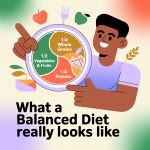
Healthy eating isn’t about cutting out everything you love or surviving on rigid meal plans. For beginners, it’s about building sustainable habits that fit into real life, busy schedules, tight budgets, and changing energy levels included. The goal isn’t perfection; it’s consistency.
Instead of strict diets that burn out fast, healthy eating works best when changes are gradual, enjoyable, and convenient. You add before you subtract. You improve before you restrict. One better choice today beats an unrealistic overhaul tomorrow.
This approach is backed by evidence-based guidance from the NHS, which emphasizes simple, realistic strategies, like balanced meals and variety, over extreme rules. In other words: habits you can live with are the ones that actually stick.
Core Plate Principles

1. Fill Half Your Plate with Fruits and Vegetables
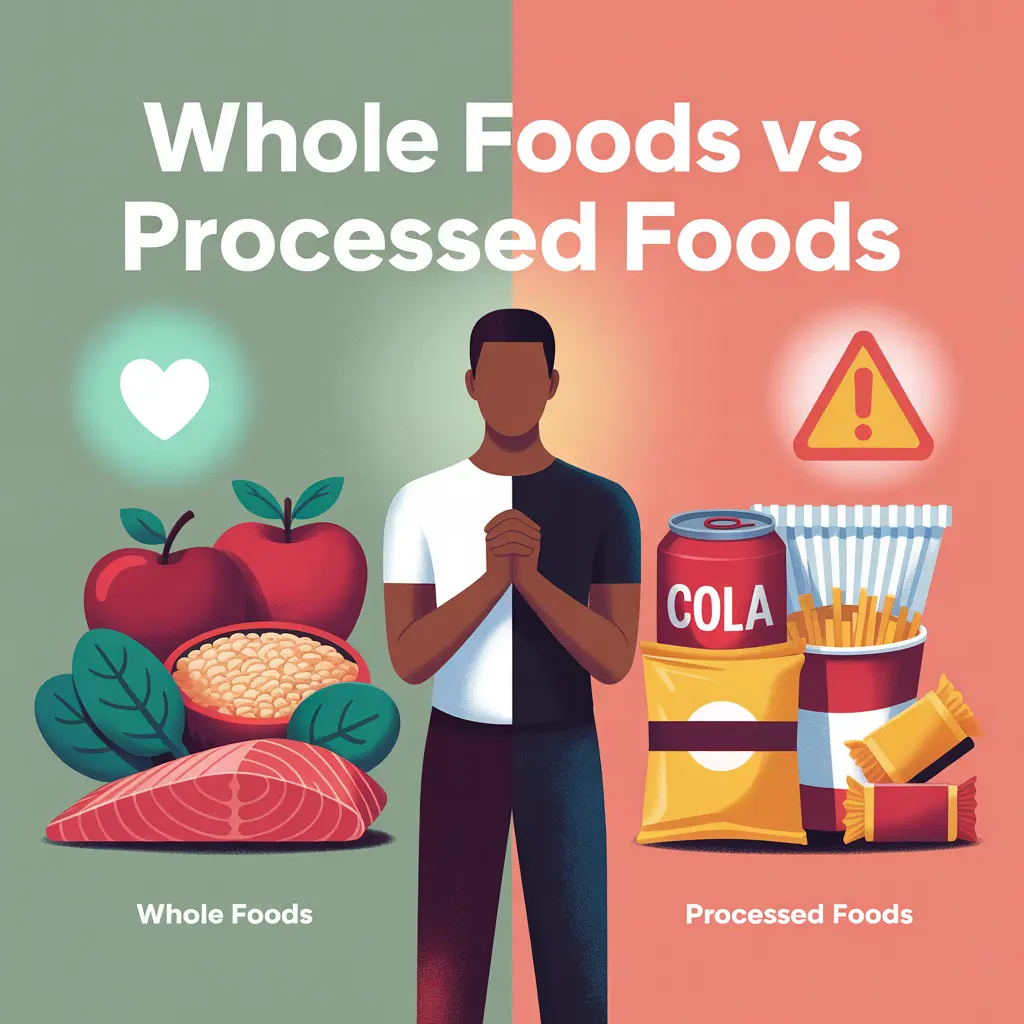
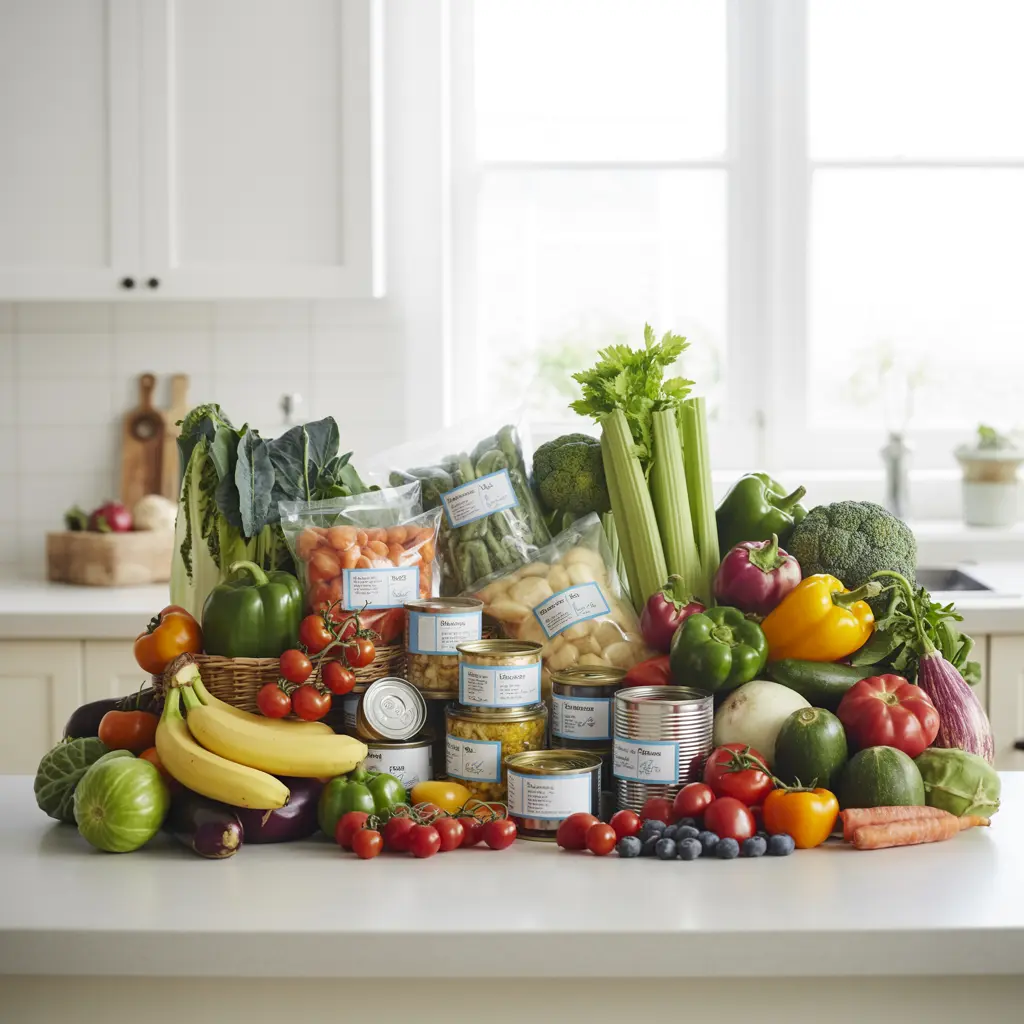
A simple rule of thumb: aim to fill half your plate with fruits and vegetables, targeting at least five portions per day. This doesn’t mean expensive superfoods or constant grocery runs, fresh, frozen, and even canned options all count.
Vegetables and fruits are rich in fiber, which supports digestion and keeps you full, along with essential vitamins and minerals that support immunity, energy, and overall health. Frozen vegetables are especially beginner-friendly: affordable, long-lasting, and nutritionally solid.
2. Choose Whole Grains for Sustained Energy
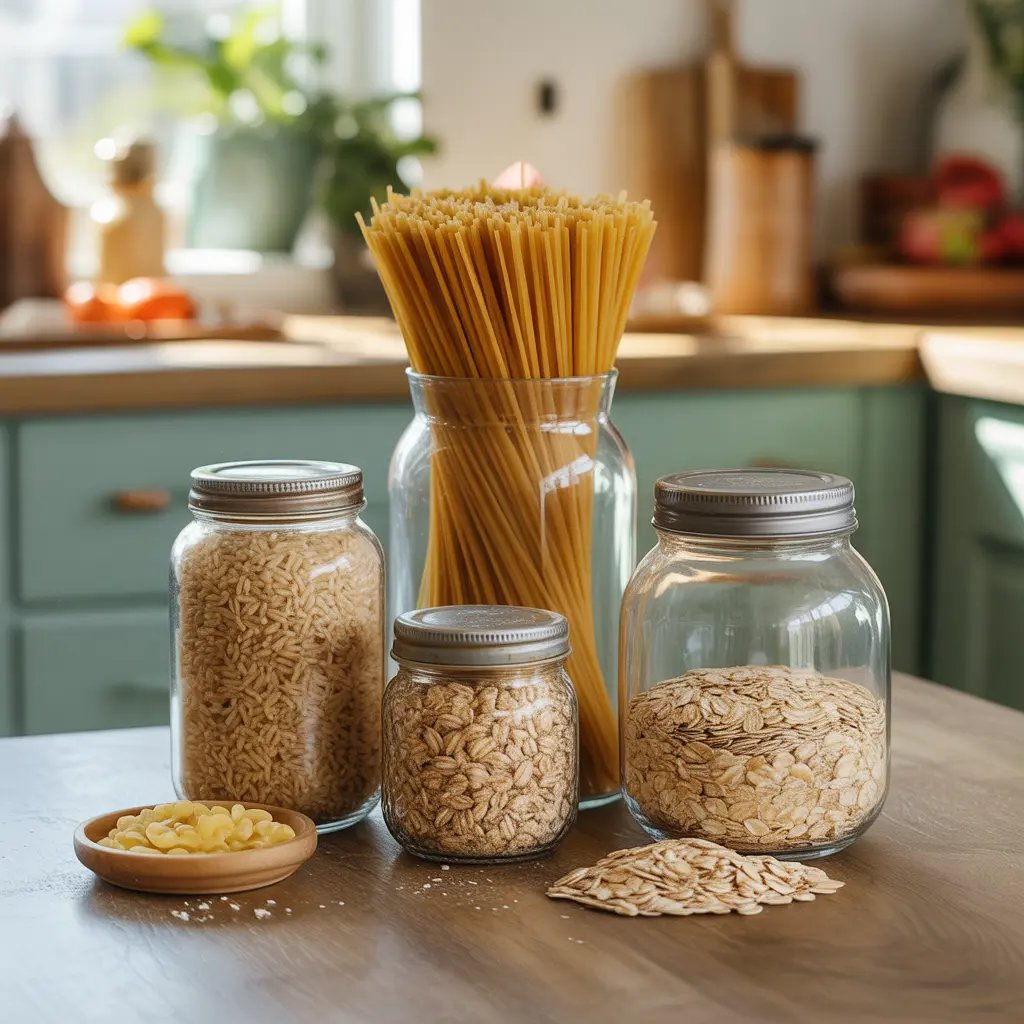
Whole grains provide the kind of energy that lasts. Options like brown rice, oats, and whole-wheat pasta digest more slowly than refined grains, helping to stabilize blood sugar and prevent energy crashes.
They also support gut health thanks to their fiber content, making them a smarter swap than white bread or refined cereals. For beginners, even replacing one refined grain per day with a whole-grain option is a meaningful win.
3. Prioritize Balanced Protein Sources
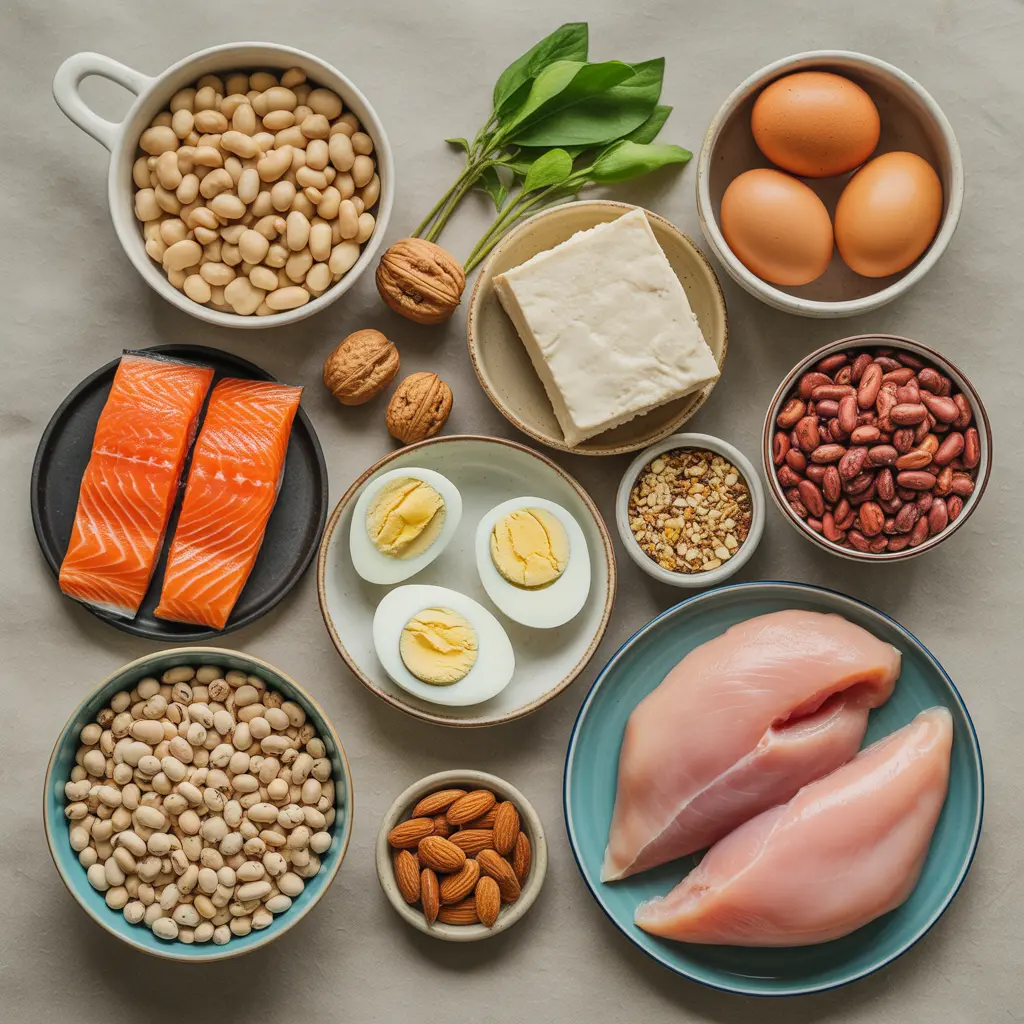
Protein supports muscle, metabolism, and satiety, and variety matters. Good options include fish, beans, lean meats, nuts, and tofu, which can be mixed and matched based on preference and availability.
Including oily fish like salmon or sardines twice a week adds omega-3 fatty acids, which support heart and brain health. This balanced approach aligns with guidance from the American Heart Association, which promotes diverse, heart-healthy protein choices rather than over-reliance on any single source.
Easy Daily Habits
1. Hydration Without Overthinking
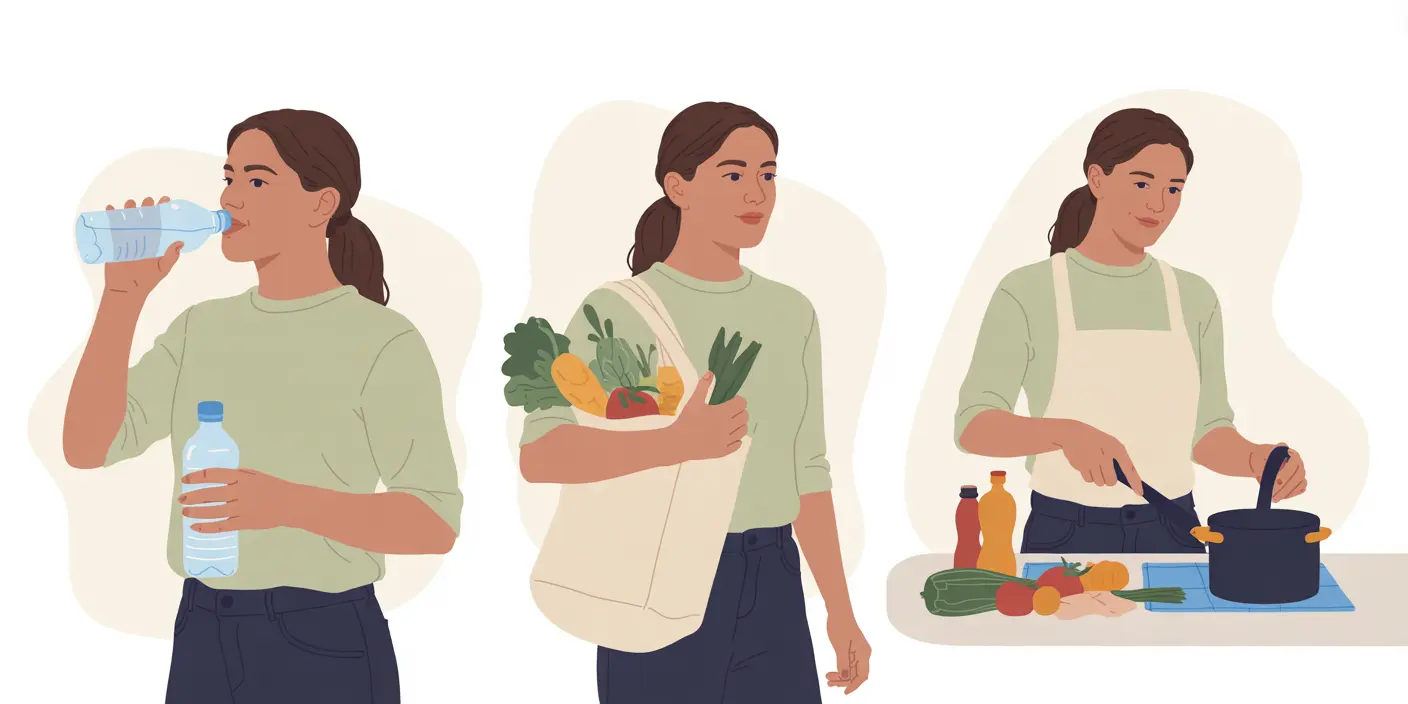
Healthy eating isn’t just about food, hydration matters too. Aim for water or unsweetened drinks with meals and throughout the day, with a general target of 6–8 glasses daily.
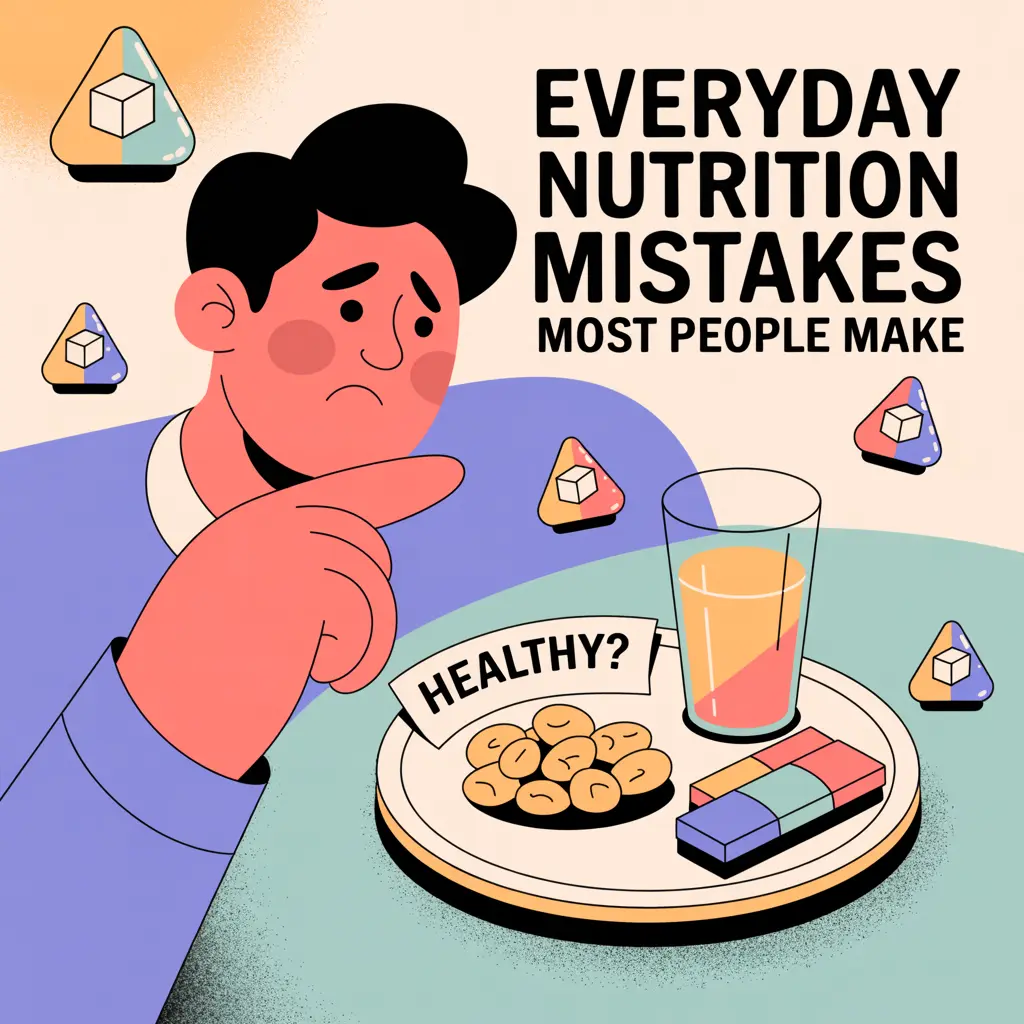
There’s no need for fancy detox drinks. Simply reducing sugary beverages, like sodas and sweetened juices, can significantly cut empty calories and improve energy levels without changing what’s on your plate.
2. Smarter Shopping and Cooking Choices
Learning to read nutrition labels is a powerful beginner skill. Focus on keeping added sugars and sodium moderate, rather than obsessing over every number.
Cooking at home, even a few times a week, gives you natural portion awareness and ingredient control. For flavor, lean on herbs, spices, garlic, and citrus instead of excess salt. Small tweaks like these add up quickly.
3. Planning Simple - Repeatable Staples
Consistency is easier when your kitchen is stocked with reliable basics. Beginner-friendly staples include oats, frozen vegetables, eggs, and nuts, foods that are versatile, affordable, and quick to prepare.
Having these on hand reduces dependence on ultra-processed foods during busy moments. This habit-based approach is echoed by Healthline, which emphasizes simplicity and planning as key drivers of long-term healthy eating success.
Habits That Stick
1. Start Small and Build Gradually
The most reliable way to change eating habits is to start with one small change per week. This keeps motivation high and overwhelm low. Think additions, not overhauls.
Low-effort swaps might include adding fruit to breakfast, choosing whole-grain bread instead of white, or replacing chips with vegetables a few days a week. Small actions repeated consistently matter far more than short-lived perfection.
2. Eat Regular - Balanced Meals
Skipping meals often leads to energy crashes and overeating later. Regular meals, especially breakfast, help stabilize blood sugar and set the tone for the day.
A balanced meal combines protein and whole grains, which supports sustained energy and reduces the urge to snack constantly. For example, oats with nuts or eggs with whole-grain toast can make a noticeable difference in focus and appetite control.
3. Track Progress Without Obsession

Progress doesn’t need rigid tracking or calorie counting. Loose tracking, noticing how often you include vegetables, whole grains, or home-cooked meals, keeps awareness high without stress.
Prioritize variety over perfection, and when possible, choose local and seasonal foods for better flavor and sustainability. This flexible, behavior-based approach is supported by research from the Centers for Disease Control and Prevention, which emphasizes consistency and realistic habits over strict dietary control.

Leave a comment
Your email address will not be published. Required fields are marked *